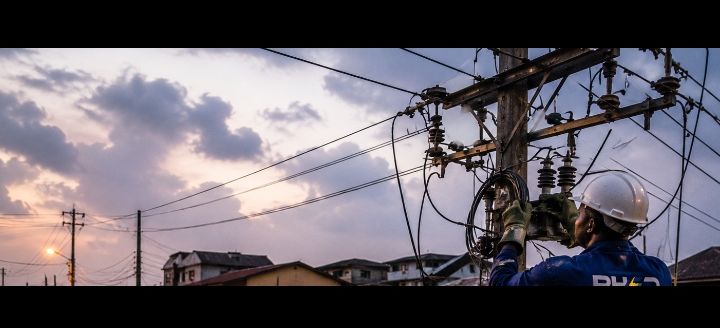
Nigeria is preparing for another major change in the electricity sector as the Federal Government moves toward ending the country’s electricity subsidy regime by 2027.
The development is expected to have significant implications for electricity consumers, power distribution companies and the wider Nigerian economy. According to reports published among the leading stories in Nigerian newspapers on Saturday, August 1, the Minister of Power said the government is working toward phasing out the subsidy as part of broader efforts to reform the electricity market.
The proposed change comes at a time when Nigerians are already dealing with high living costs and increased household expenses. Electricity remains one of the major concerns for households and businesses, particularly because many consumers rely on alternative sources of power when supply from the national grid is unavailable.
Under the planned reform, the government is expected to gradually reduce its financial support for electricity while allowing the electricity market to move toward a system in which tariffs more closely reflect the cost of producing and supplying power.
Government officials have argued that reducing subsidies could help address financial pressures within the electricity sector and encourage greater investment in power generation, transmission and distribution. However, the policy is also likely to generate public debate because any increase in electricity tariffs could place additional pressure on households and small businesses.
Analysts and consumers will therefore be watching closely to see how the transition is implemented and whether adequate measures will be introduced to protect low-income households and vulnerable electricity users.
The government’s challenge will be to balance the need to make the electricity sector financially sustainable with the need to ensure that electricity remains affordable and accessible to ordinary Nigerians.
As Nigeria approaches 2027, the electricity subsidy reform could become one of the country's most closely watched economic policies, with its impact potentially extending beyond electricity bills to businesses, employment, production costs and the overall cost of living.