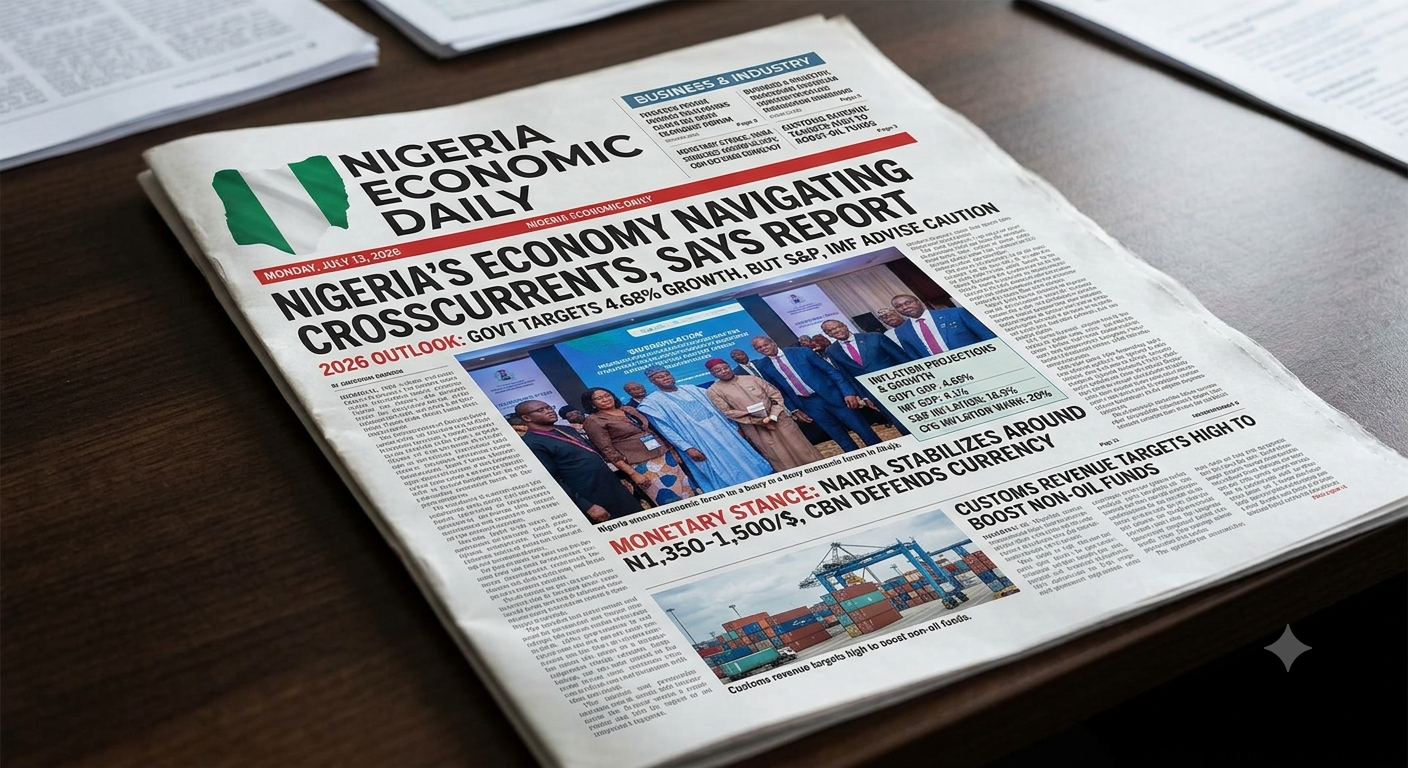
Nigeria's economy is gradually shifting from a period of major economic reforms to one focused on stability and long-term growth. The Federal Government projects the economy will expand by 4.68% in 2026, driven by its ₦58.18 trillion budget, which allocates a large share to infrastructure and capital projects aimed at boosting productivity and creating jobs.
However, international organizations remain more cautious, with the International Monetary Fund forecasting 4.1% growth and S&P Global expecting a slower 3.7%, citing continued pressure on household spending and overall consumer demand.
Although inflation has fallen significantly from its 2024 peak, rising fuel and transportation costs continue to increase the prices of goods and services, making everyday life more expensive for many Nigerians. To keep inflation under control and stabilize the naira, the Central Bank has maintained high interest rates, helping strengthen foreign exchange reserves and reduce currency volatility.
At the same time, the government is pursuing tax reforms, customs modernization, and improved revenue collection to strengthen public finances. Analysts believe Nigeria's economic foundation is improving, but the real challenge is ensuring these reforms translate into lower living costs, more jobs, and better economic opportunities for ordinary citizens.